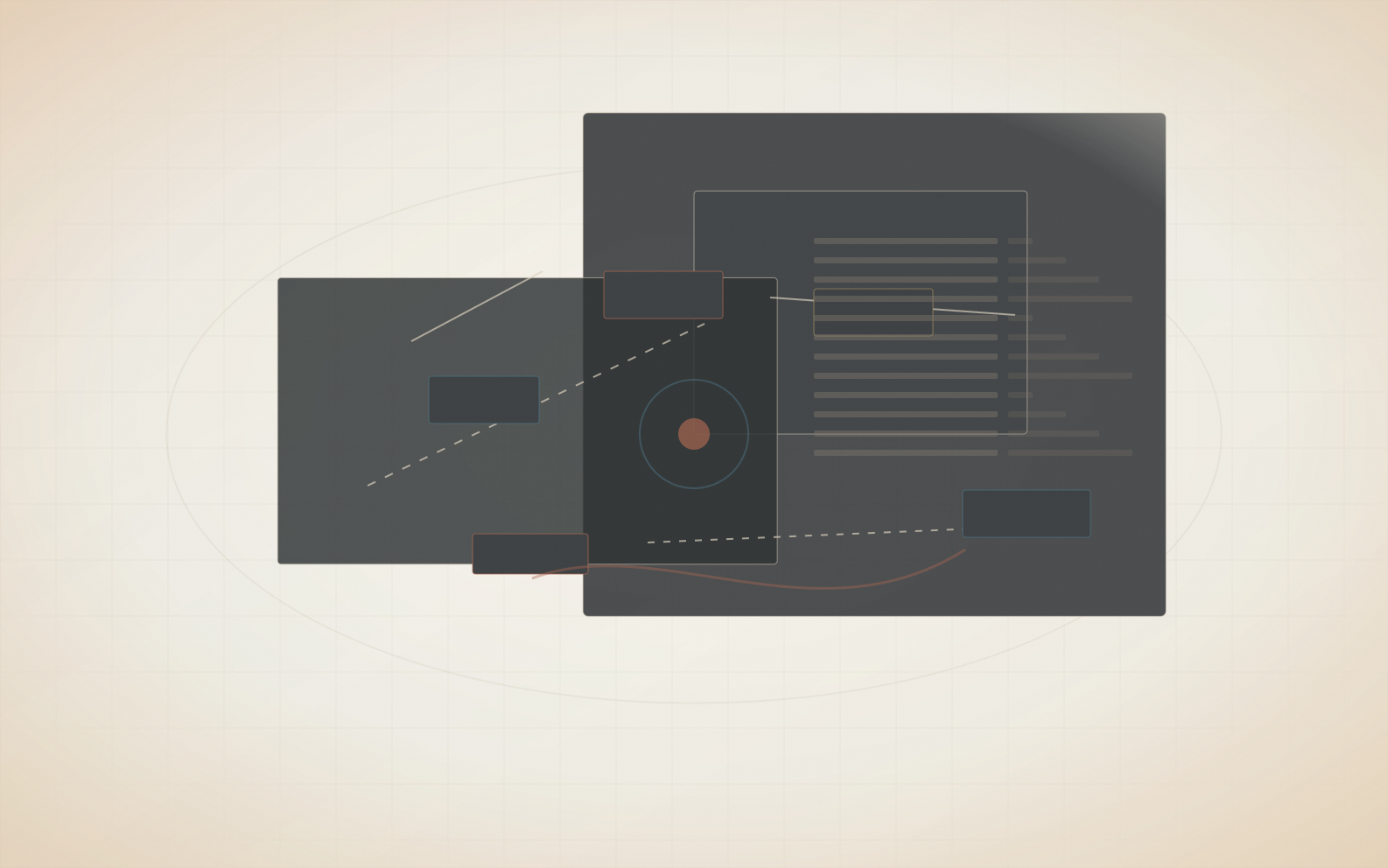
A should-vs-is engine compares intended work with observed work. The should side captures reviewed intent. The is side captures source-backed state. Governed execution closes the gap only when the boundary can prove the action is allowed.
Why it matters now
- A plan without observed state can execute the wrong fix.
- Observed state without reviewed intent can turn dashboards into accidental authority.
- The gap between should and is needs evidence before closure, not only a model explanation.
Boundary and evidence
This is gated Company OS direction, not a public live dashboard claim.
Company OS can organize this loop around generated specs, company artifacts, approvals, notifications, and receipts. HELM still governs the action at the execution boundary.
Product map
Read from queryable company to executable organization for the broader transition from read-path software to governed write-path work.
The operating rule is consistent across the library: research can frame the question, but execution claims need source-owned proof. Look for policy checks, approval state, connector contracts, receipt hashes, replay evidence, or a clearly labeled product surface before treating an idea as current capability.